Powder Coating Masking: Tape, Plug or Masking Film?
The decision is per feature, not per part
A part going through powder coating usually needs several places protected at once: threaded holes, mating faces, a large flat panel, and a contact point that has to stay conductive. Trying to cover all of them with one masking product is what produces both leaks and unnecessary cost. The practical approach is to pick per feature.
Where tape wins
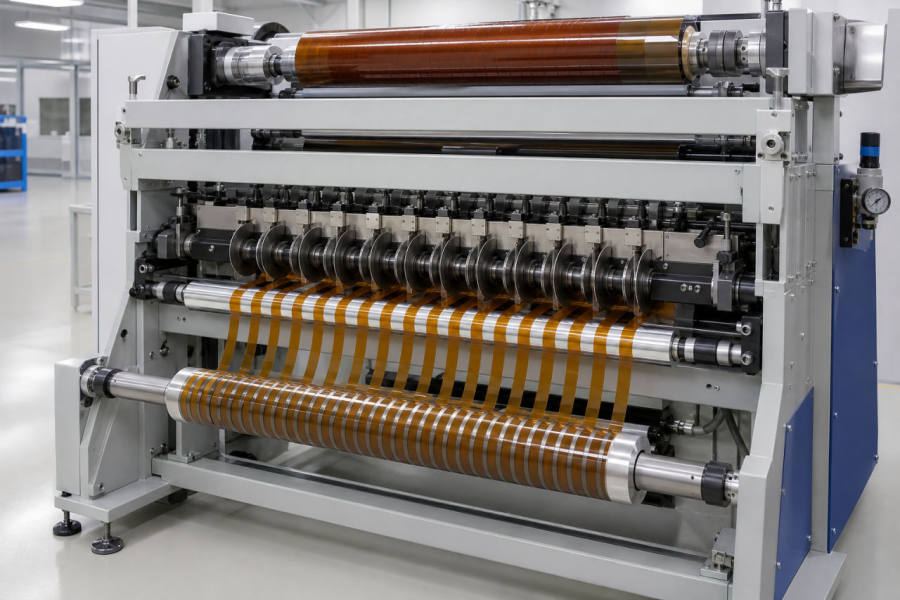
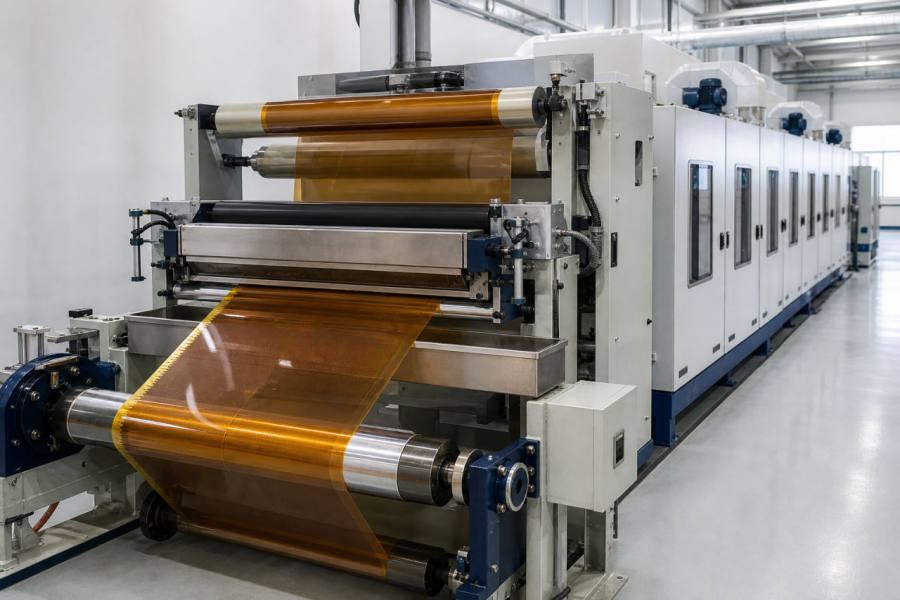
Tape suits flat faces, edges, and anywhere the operator needs to follow a defined outline. It is also the only option when the part needs a masked strip rather than a masked area, and it is easy to apply in varying widths. For high-temperature work the standard construction is a silicone adhesive that releases without residue, such as 0.05mm green PET masking tape for powder coating and plating.
Where plugs win
Threaded holes and bores are faster to mask with a silicone plug than with tape. A plug seats in one motion, seals the thread completely, and comes out with a pull, which removes both the application time and the risk of leaving tape residue inside a thread.
Where masking film wins
Large flat panels are the case for film. Covering a door-sized surface with tape is slow and leaves a seam for powder to creep under, while a single sheet of masking film with a heat-resistant edge covers it in one go.
Temperature and removal timing
Whichever product is used, the two specification points are the same: the maximum temperature the mask sees in the cure oven, and how the mask is removed afterwards. Removing a mask while the part is still hot is a common cause of residue and of torn film, and the removal temperature belongs in the work instruction rather than being left to the operator.