How to Read a High-Temperature Tape Datasheet
One number is never enough
Datasheets for high-temperature tape usually lead with a single figure. That figure is normally the peak temperature the backing survives for a short exposure, not the temperature it will hold at through a full shift. Two tapes advertising the same peak can behave completely differently in the same oven, which is why the headline number alone is a poor way to choose.
The three temperatures that matter
- Peak temperature — the highest short-term exposure the construction survives without charring or delaminating.
- Continuous temperature — the temperature the tape is designed to sit at for long periods. This is the number that governs long-run production.
- Application temperature — the temperature of the surface you bond to when the tape goes on. Silicone adhesives are normally chosen where the bonded part later runs hot.
Read the backing and the adhesive as a pair
The backing sets the thermal ceiling; the adhesive sets how the tape releases. Our range splits along that line:
- Flame-retardant glass cloth tape is rated to 300°C and is used for high-heat masking, insulation and fixing.
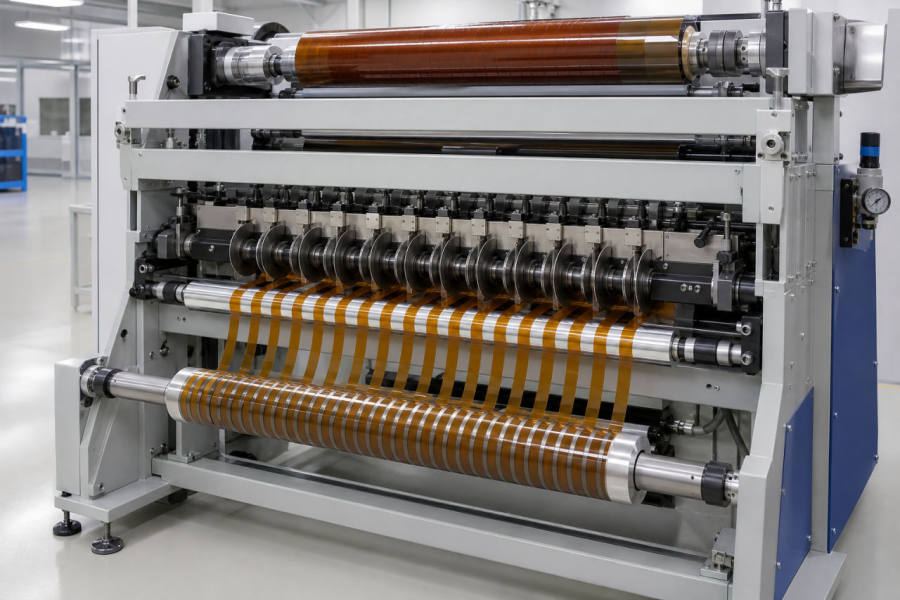
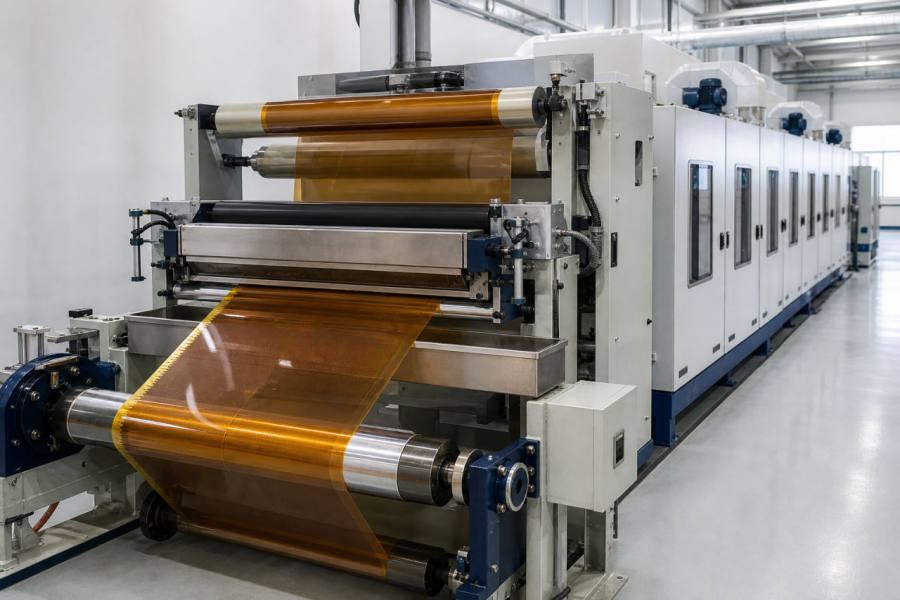
- Polyimide tape is rated to 260°C and is the usual choice for electronics work where space is tight.
- White fiberglass cloth tape is rated 0-300°C and is chosen where mechanical strength matters as much as temperature.
- PTFE-coated fiberglass tape is chosen mainly for release and chemical resistance rather than raw bond strength.
- Blue and high-temperature PET masking tapes cover lower-temperature coating and plating work where a thinner film is easier to handle.
Questions worth sending your supplier
- What is the continuous temperature, the peak temperature, and for how long?
- Which backing and which adhesive system are in the construction?
- Which surfaces has this construction been used on before?
- What is the clean-removal behaviour after the thermal cycle?
- Can it be supplied in our width, and can it be die-cut?