How to Choose the Right High-Temperature Adhesive Tape
Specifying a high-temperature tape by temperature rating alone is the most common reason a tape fails in production. Two tapes rated for the same temperature band can behave completely differently once they are on your line, because the rating describes only one axis of performance.
Start with the peak, not the average
Ask what the highest temperature the tape will actually see is, and for how long. A tape that survives a short excursion and a tape that survives continuous exposure are different products. Tell your supplier both numbers, plus how often the cycle repeats.
Match the backing to the job
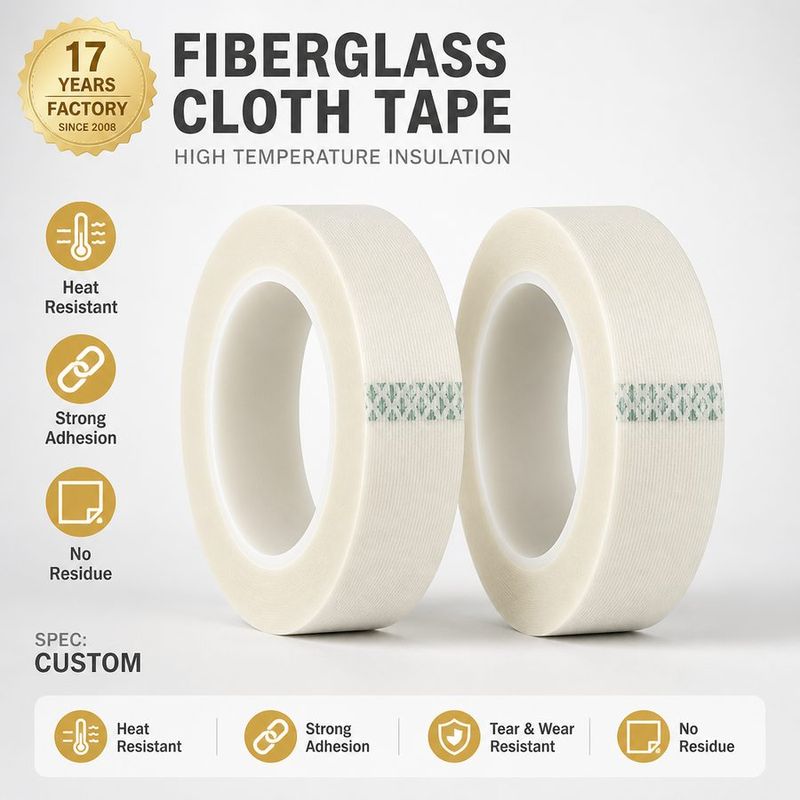
- Glass cloth — woven backing for mechanical strength and dimensional stability. A common choice where the tape has to hold shape under load.
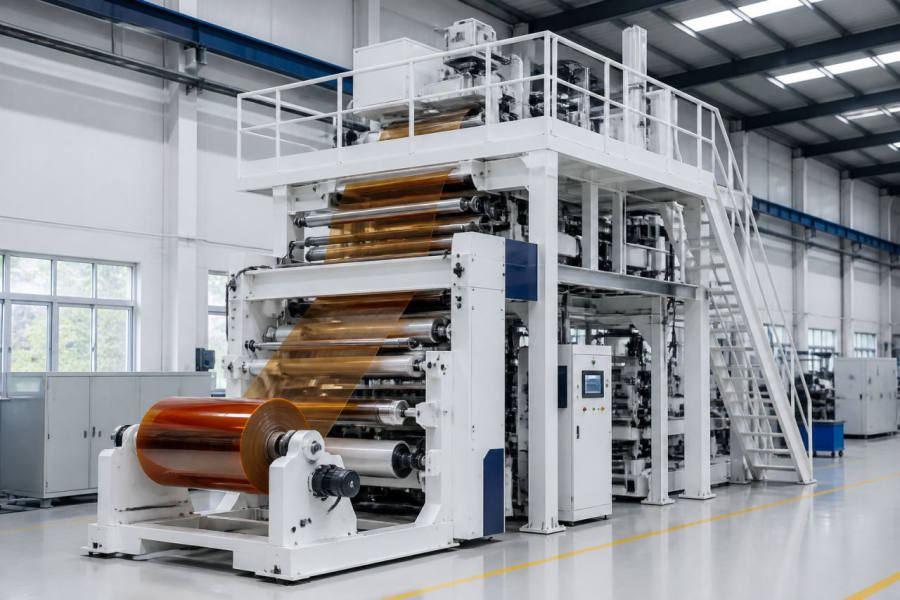
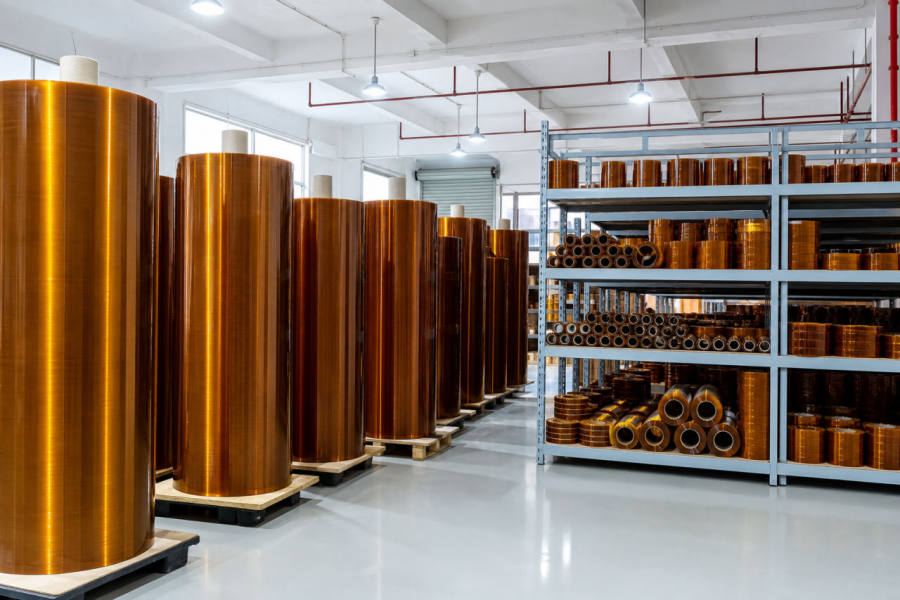
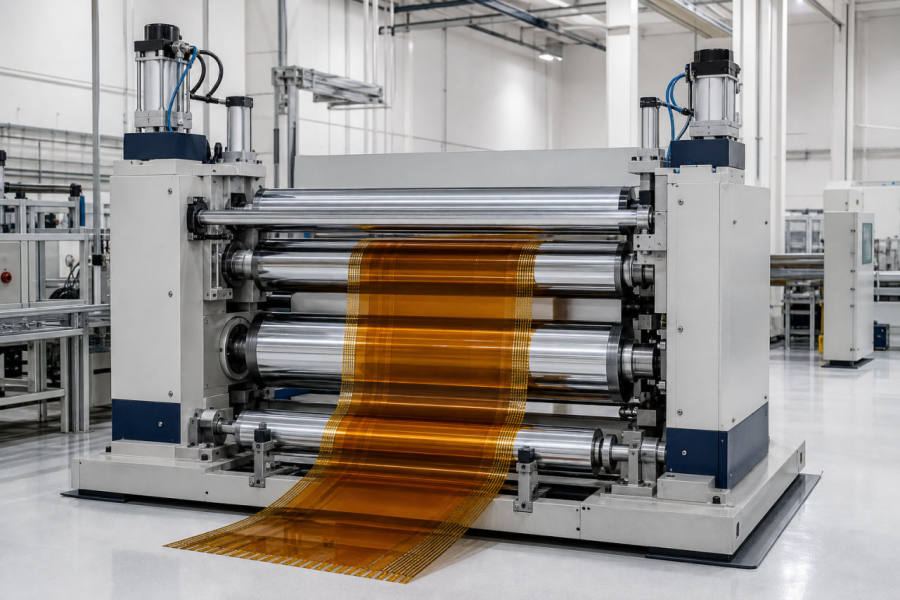
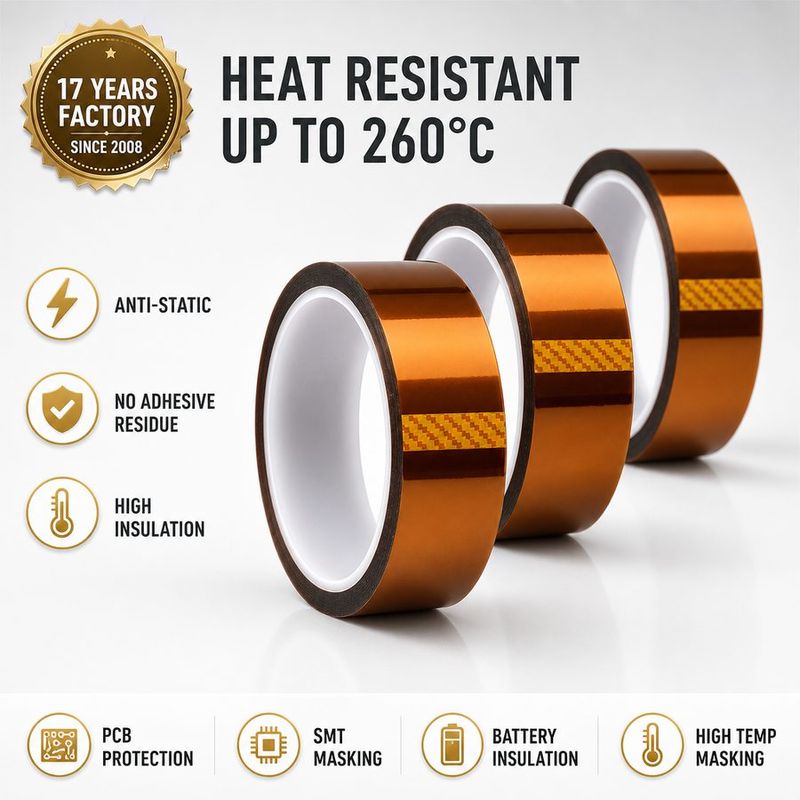
- Polyimide — thin films for tight-tolerance masking and electrical insulation where space is limited.
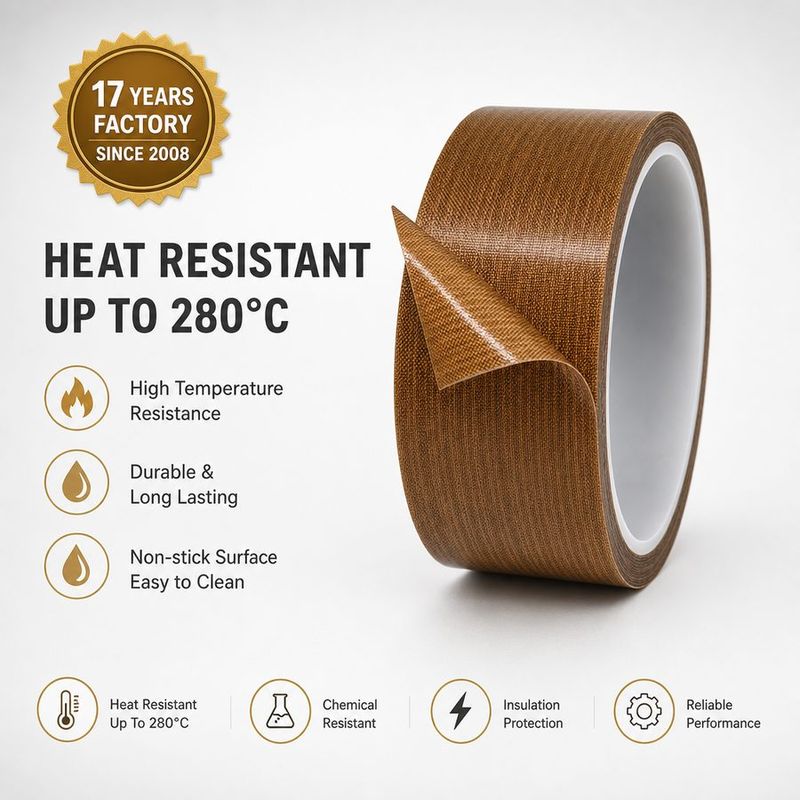
- PTFE — chosen mainly for release and chemical resistance rather than for bond strength.
 - PET and acetate cloth — useful outside the extreme temperature range, often at a lower cost per square metre.
Check the adhesive system
Silicone adhesives are the usual choice for high-temperature work because they stay stable where rubber-based systems degrade. Acrylic systems can be the better answer when you need long-term adhesion or resistance to solvents at more moderate temperatures. The backing and the adhesive must be specified together — a good backing with the wrong adhesive still fails.
Look at the surface, not just the tape
Low-surface-energy substrates such as silicone-coated or heavily plasticised surfaces need a different adhesive choice than bare metal or glass. Tell your supplier what the tape is sticking to, not only what it is protecting.
Questions worth sending your supplier
- What is the continuous and peak temperature, and for how long?
- Which backing and which adhesive system are in the construction?
- What surfaces has this construction been used on?
- What is the clean-removal behaviour after the thermal cycle?
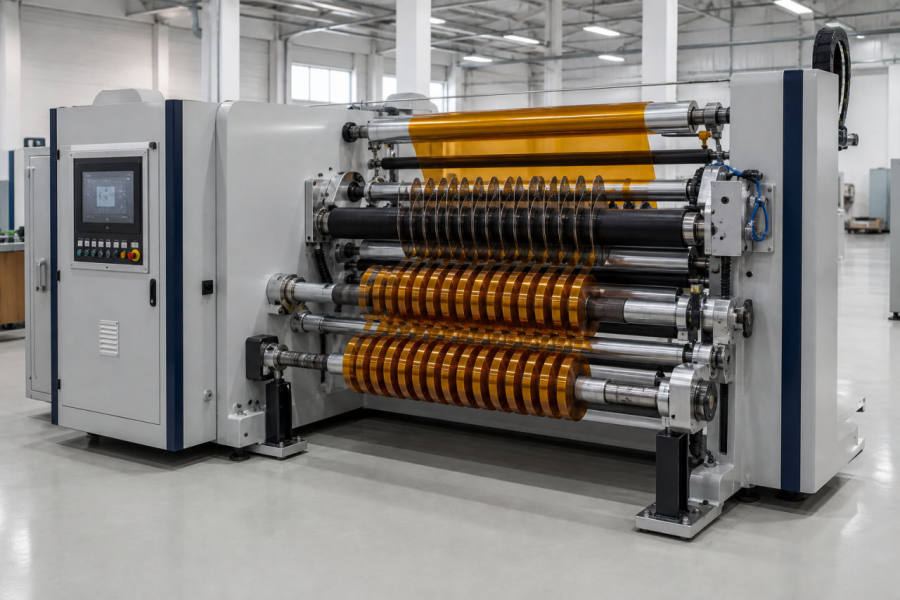
- Can it be die-cut or supplied in the width we need?
Send the answers together with your application, target quantity and any drawings, and a manufacturer can usually recommend a construction instead of a range.