Polyimide Tape for PCB Gold Fingers: Uses and Selection
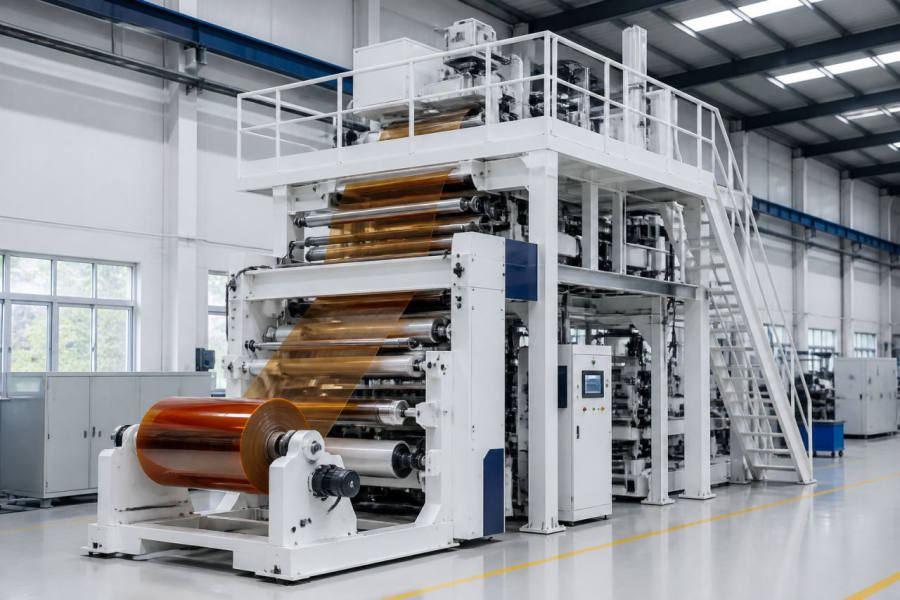
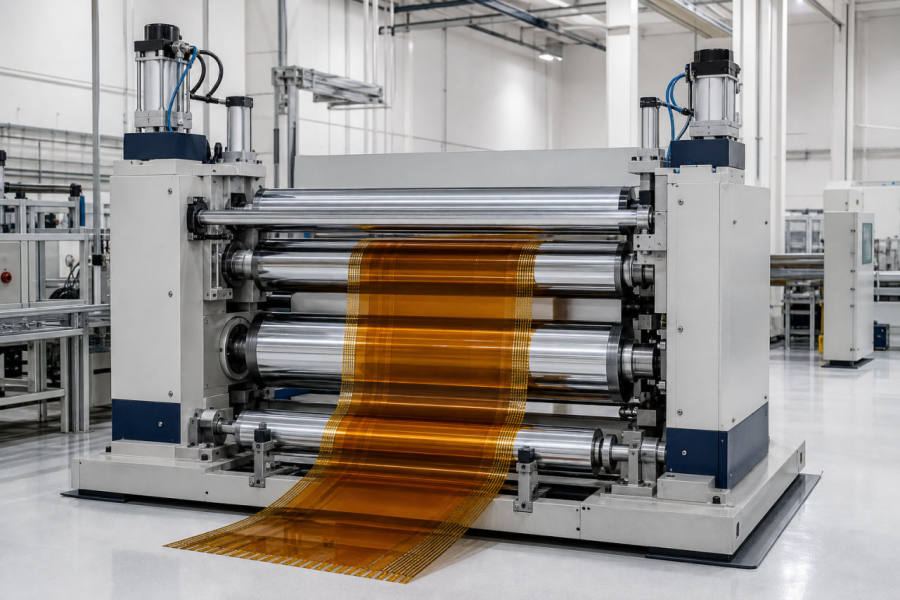
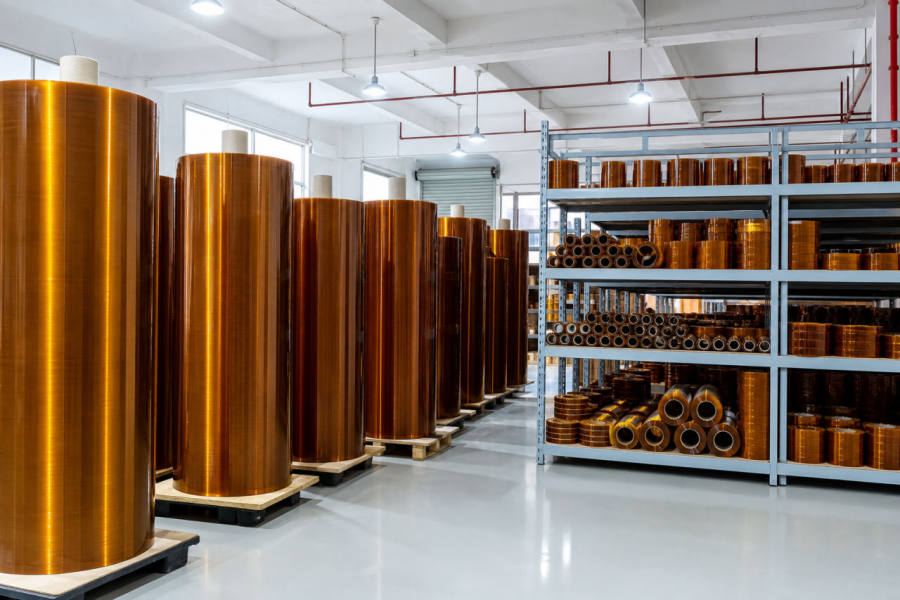
Polyimide tape — often called Kapton tape, and known in PCB production as gold finger tape — is the standard masking material wherever a board has to survive soldering heat without leaving adhesive behind. The amber film is chosen for three properties at once: it tolerates high temperature, it is thin, and it removes cleanly.
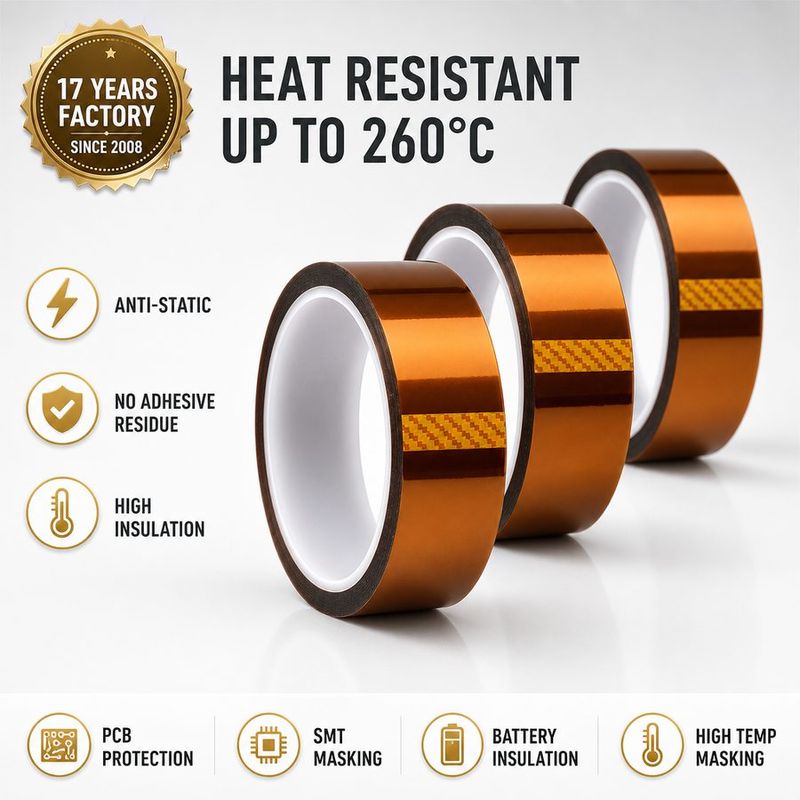
Where polyimide tape is used
- Gold finger protection — masking edge connectors during wave soldering and hot-air levelling so the contact pads stay clean and solderable.
- SMT reflow masking — covering areas that must not receive solder paste or conformal coating.
- Battery and tab insulation — thin, heat-stable insulation inside packed cells and modules.
- Heat transfer and sublimation printing — holding transfers in place through a heated press without residue on the garment or the plate.
- High-temperature masking during assembly — protecting connectors, sensors and finishes through a reflow or baking cycle.
Why 0.05mm matters
Thickness decides how much the tape disturbs the assembly. A thin film conforms closely to fine pitch features and adds almost nothing to stack height, which is why thin polyimide is specified around connectors and narrow traces. Where the tape has to survive more mechanical handling, a heavier gauge is the better trade.
Selecting the right construction
- Adhesive — silicone is the usual choice for high-temperature cycles because it stays stable where rubber-based systems degrade.
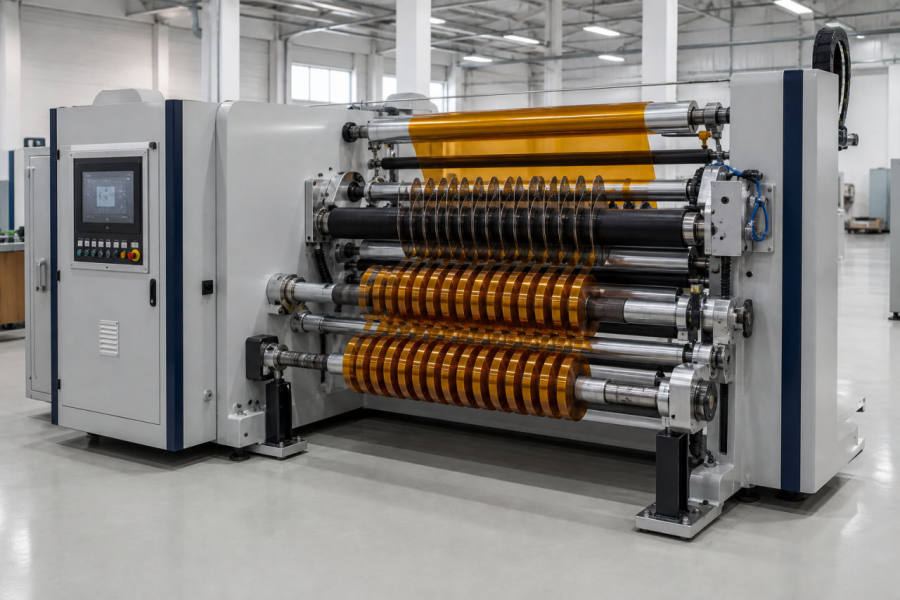
- Width — narrow masking of gold fingers is normally supplied slit to width; check the tolerance if the tape is applied automatically.
- Residue — if the board goes straight into a coating or bonding step after unmasking, confirm clean-removal performance rather than assuming it.
- Static — anti-static treatment matters when the tape is applied near static-sensitive components.
Requesting a quotation
Send the board area to be masked, the process temperature and dwell time, the width you need and the quantity. Widths are slit to order, so a drawing or a sample of the connector is usually enough to quote accurately. You can see the standard construction on our 260°C polyimide tape product page.