Glass Cloth vs Polyimide vs PTFE: Which to Choose?
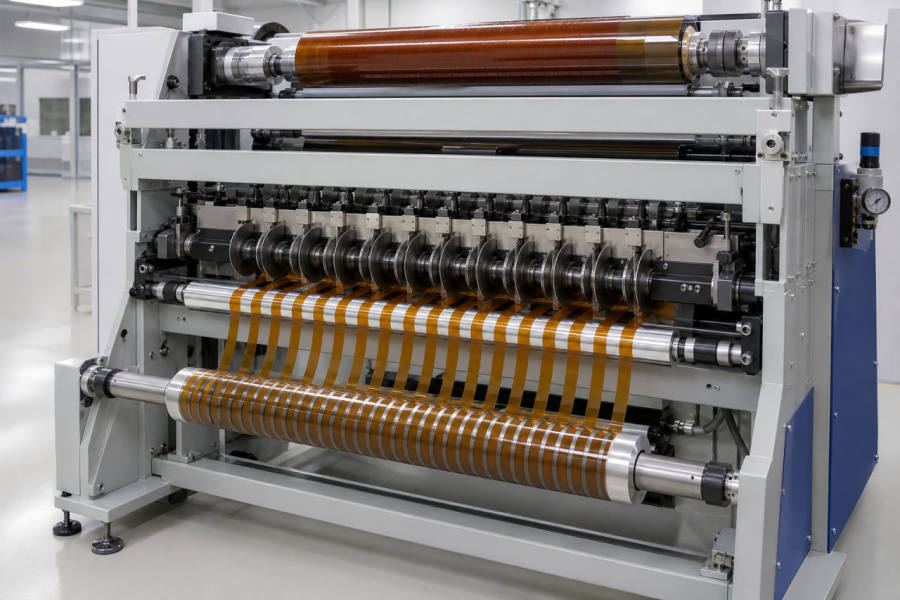
These three backings appear together in most high-temperature tape quotations, which makes it easy to treat them as interchangeable. They are not. Each one solves a different problem.
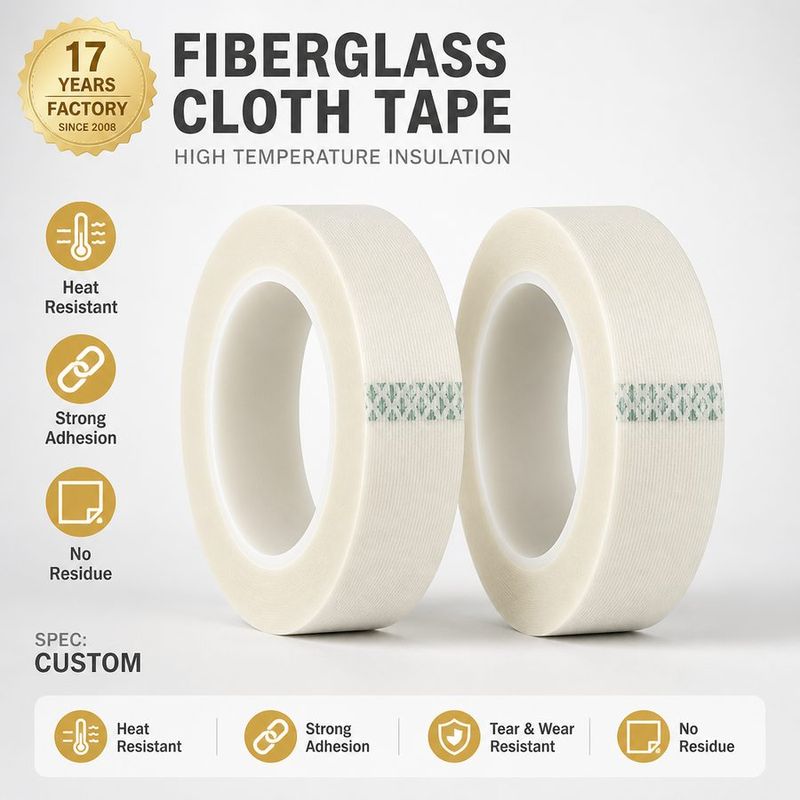
Glass cloth: when the tape has to hold
Woven glass cloth brings mechanical strength and dimensional stability. If the tape has to stay in place under tension, survive a pull, or hold a shape through a thermal cycle, this is usually the starting point. It is also the more forgiving option when the surface is not perfectly flat.
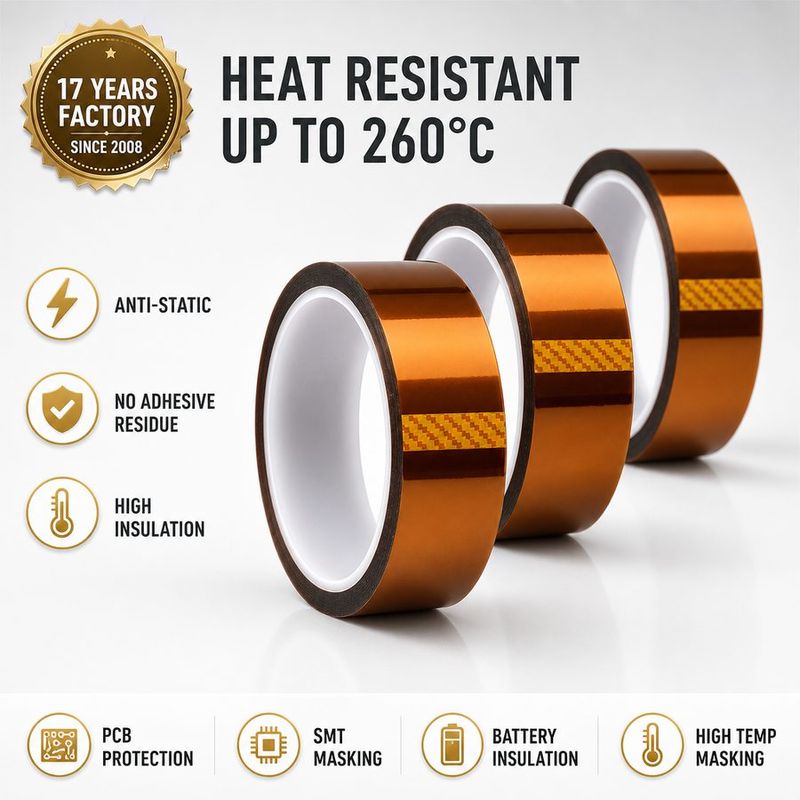
Polyimide: when space is the constraint
Polyimide films are thin, which matters when the tape has to sit inside a tight assembly or add as little thickness as possible. They are commonly specified for masking and electrical insulation where the geometry is unforgiving. Being thin also means they conform closely, so surface preparation matters more.
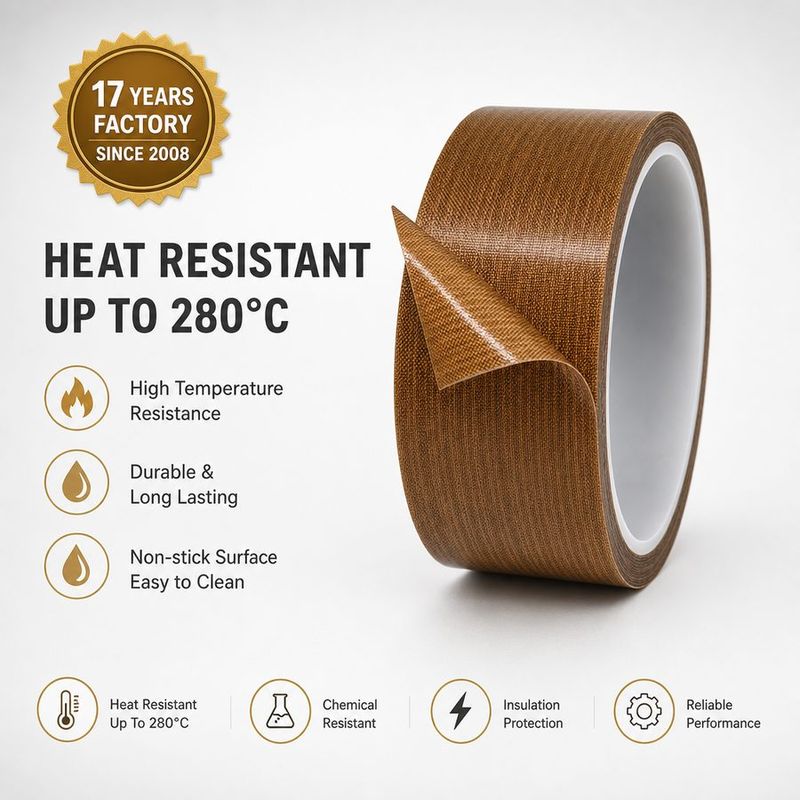
PTFE: when release matters more than grip
PTFE is chosen primarily for its release characteristics and chemical resistance. Where the job is to stop something sticking — heat sealing bars, rollers, surfaces that see aggressive chemistry — it is often the right answer even though it is not the strongest bond of the three.
Choosing between them
| If your priority is | Look first at |
|---|---|
| Mechanical strength and stability | Glass cloth |
| Minimum thickness and tight tolerance | Polyimide |
| Release and chemical resistance | PTFE |
The part that is easy to miss
Backing selection is only half the construction. The same backing with a different adhesive behaves differently on the same substrate, and the correct adhesive depends on what you are bonding to and what the tape has to survive afterwards. When two suppliers quote the "same" tape at very different prices, the backing is often identical and the adhesive system is not.
Ask for the full construction — backing plus adhesive — before comparing quotations.